

Category: Computer Science
Computer Science
Latest


The Evolution of Explainable AI: Applications, Ethical Considerations and Responsible Use
This paper seeks to explore the history of artificial intelligence (AI) and explainable AI (XAI), including its recent role in a multitude of disciplines, such as healthcare, finance and law. The paper seeks to explore both the advantages and disadvantages of deploying XAI in the concerned fields and to visualise its use in the future.
Read More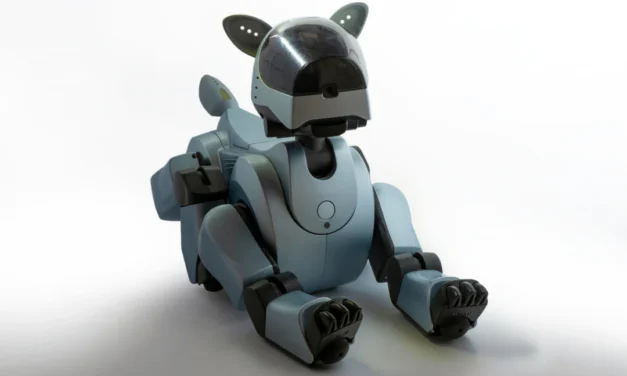
AI-Enabled Human-Robot Interaction and Its Societal Implications
This article examines the trajectory and design principles of artificial intelligence enabled robots that form a context of human-robot interaction, as well as their social effects, ethical considerations and future implications.
Read More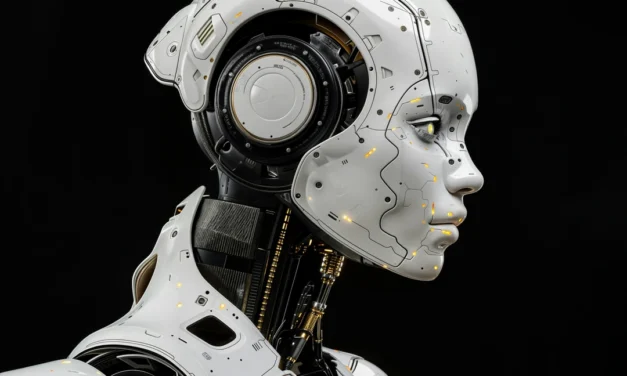
Human-Robot and AI Interaction
Robots have evolved from industrial machines designed to perform hazardous, repetitive tasks to social companions capable of interacting with and assisting humans in healthcare, education and daily life. This paper examines the use of social robots across core industries, identifies challenges in implementation and offers potential solutions.
Read More
The Rise of Generative AI: Opportunities and Challenges (II)
Generative Artificial Intelligence (GenAI) has become increasingly renowned over the years, notably since the launch of AI chatbots such as ChatGPT in 2022. In this research paper, we outline various technical aspects of GenAI and its mechanisms, with discussions on the intricate architecture of a GenAI model, how an AI model is trained and the sometimes-perplexing procedures involved in the generation of content through a prompt.
Read More
The Rise of Generative AI: Opportunities and Challenges (I)
Generative Artificial Intelligence (GenAI) is increasingly reshaping a wide range of sectors, including business, healthcare and education, through its ability to generate personalised content and support complex tasks. This paper provides an overview of GenAI’s development from early neural networks to advanced transformer-based models, highlighting its rapid adoption following the release of ChatGPT in 2022.
Read More